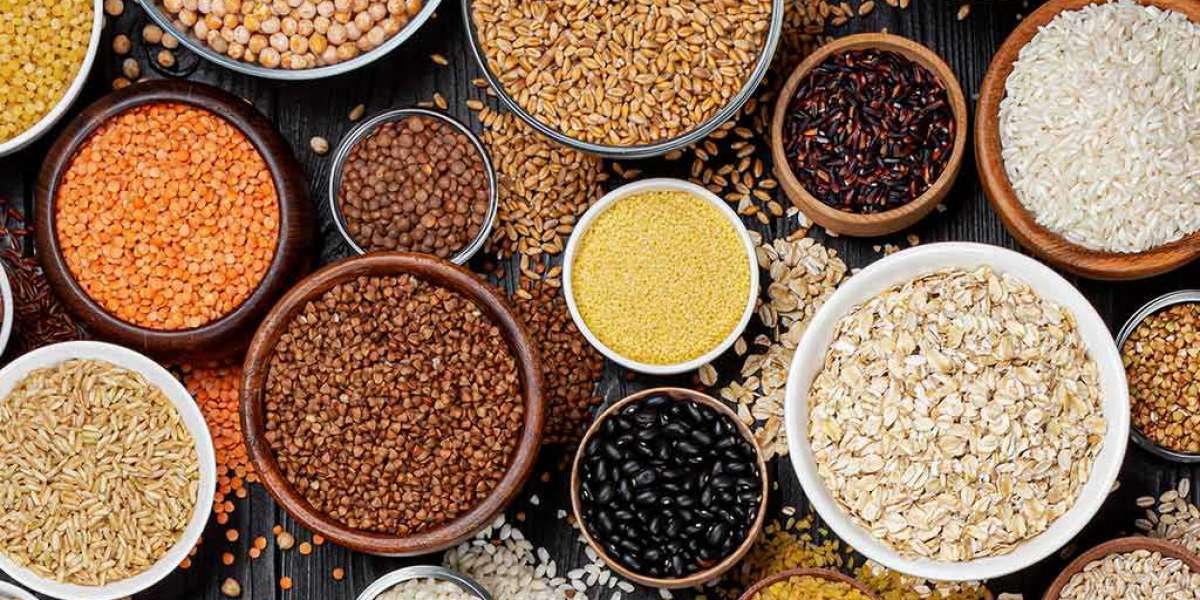

Millets, a group of small-seeded grains, have been a staple in many traditional diets around the world for centuries. Recently, they have garnered attention for their potential health benefits, particularly in the prevention and management of cancer. This article explores the connection between millets and cancer, highlighting their nutritional profile and the latest research findings.
What Are Millets?
Millets are ancient grains that belong to the Poaceae family. They are highly resilient and can grow in harsh, arid environments where other crops might fail. Common types of millets include:
- Pearl Millet (Bajra)
- Finger Millet (Ragi)
- Foxtail Millet
- Proso Millet
- Barnyard Millet
These grains are rich in nutrients, including vitamins, minerals, fiber, and phytochemicals, making them a valuable addition to a healthy diet.
Nutritional Profile of Millets
Millets are known for their impressive nutritional profile, which includes:
- High Fiber Content: Millets are rich in dietary fiber, which aids digestion and helps maintain a healthy weight.
- Vitamins and Minerals: They are an excellent source of vitamins (B-complex vitamins) and minerals (iron, magnesium, phosphorus, and potassium).
- Antioxidants: Millets contain various antioxidants such as phenolic acids, flavonoids, and tannins, which protect the body from oxidative stress.
- Low Glycemic Index: Millets have a low glycemic index, making them suitable for people with diabetes.
Millets and Cancer Prevention
Research suggests that the nutritional components of millets may contribute to cancer prevention and management in several ways:
High Fiber Content: Dietary fiber is known to reduce the risk of colorectal cancer by promoting regular bowel movements and preventing constipation. Fiber also helps to bind and eliminate potential carcinogens from the digestive tract.
Antioxidant Properties: The antioxidants in millets can neutralize free radicals, which are unstable molecules that can damage cells and lead to cancer. By reducing oxidative stress, these antioxidants help protect cells from damage and lower the risk of cancer development.
Anti-Inflammatory Effects: Chronic inflammation is a significant risk factor for cancer. Millets have anti-inflammatory properties that can help reduce inflammation and, consequently, lower the risk of cancer.
Phytochemicals: Millets are rich in phytochemicals, such as lignans and saponins, which have been shown to have anti-cancer properties. These compounds can inhibit the growth of cancer cells and induce apoptosis (programmed cell death).
Research Studies on Millets and Cancer
Several studies have explored the potential anti-cancer effects of millets. Some notable findings include:
Breast Cancer: A study published in the "Journal of Nutrition" found that women who consumed higher amounts of whole grains, including millets, had a reduced risk of developing breast cancer. The high fiber and antioxidant content were suggested as key factors.
Colon Cancer: Research in the "International Journal of Food Sciences and Nutrition" demonstrated that millets could reduce the risk of colon cancer. The study highlighted the role of dietary fiber in promoting gut health and preventing carcinogenesis.
Liver Cancer: An animal study published in the "Journal of Medicinal Food" found that extracts from foxtail millet had a protective effect against chemically induced liver cancer. The study attributed this effect to the grain's antioxidant and anti-inflammatory properties.
How to Incorporate Millets into Your Diet
Incorporating millets into your diet is simple and can be done in various ways:
- Breakfast Porridge: Cook millets with water or milk for a nutritious breakfast porridge. Add fruits, nuts, and seeds for extra flavor and nutrients.
- Salads: Use cooked millets as a base for salads. Mix with vegetables, legumes, and a light dressing for a wholesome meal.
- Baking: Substitute part of the wheat flour with millet flour in baking recipes for added nutrition.
- Main Dishes: Use millets as a side dish instead of rice or pasta. They can be cooked and seasoned to complement various cuisines.
Conclusion
Millets offer a wealth of health benefits, including potential anti-cancer properties. Their high fiber content, antioxidants, and phytochemicals make them a valuable addition to a cancer-preventive diet. While current research is promising, more studies are needed to fully understand the mechanisms through which millets can help prevent and manage cancer.
Incorporating millets into your daily diet is a simple yet effective way to boost your overall health and potentially reduce the risk of cancer. As always, it's important to maintain a balanced diet and consult with healthcare professionals when making significant dietary changes.