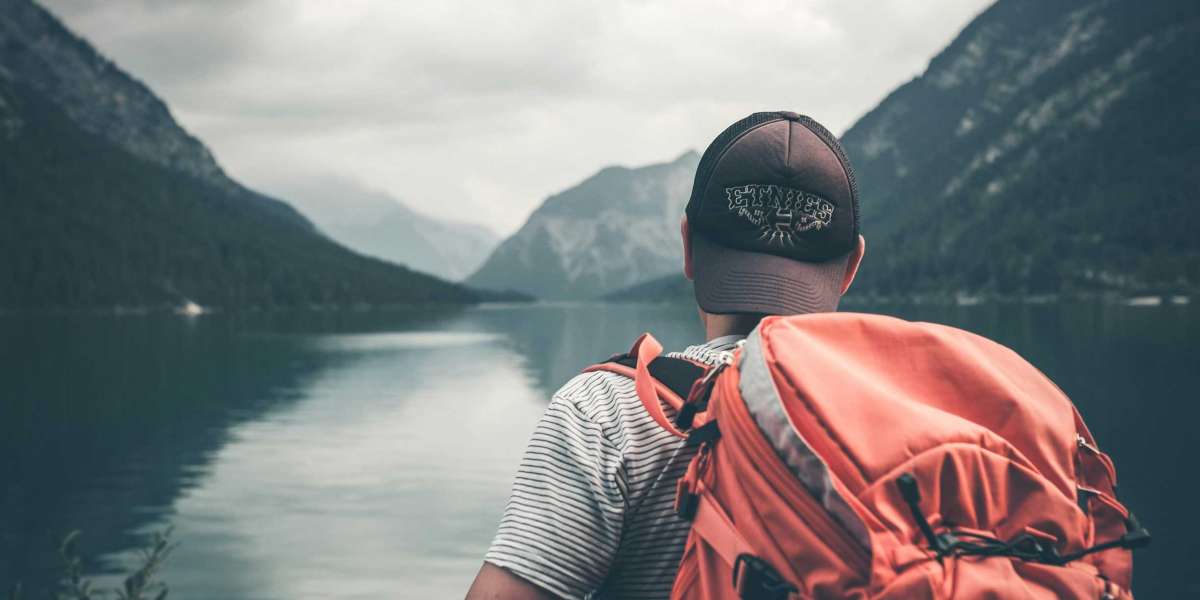

The way we seek adventure has changed dramatically. Gone are the days when adventure travel meant simply ticking off bucket-list destinations or snapping photos at famous landmarks. Today's travellers are craving something different, something more meaningful. Whether you are planning an epic expedition or just browsing Colombo hotel offers for your next getaway, understanding what's driving modern adventure travel can help you craft experiences that truly resonate.
The Rise of Slow Adventure
Speed used to be the currency of travel. How many countries could you visit in two weeks? How quickly could you summit that peak? But lately, adventure travellers are pumping the brakes. The new trend leans toward immersion rather than accumulation. Instead of racing through ten countries, people are spending three weeks in one region, learning its rhythms, tasting its complexity, and forming genuine connections with local communities.
This shift reflects a broader cultural awakening. We are recognising that adventure is not just about adrenaline spikes or passport stamps. It is about transformation. When you slow down, you notice things. The way light hits a mountain at different times of day. How a local fisherman repairs his nets. The stories behind the food you are eating. These details create depth, and depth creates memories that actually stick.
Regenerative Travel Takes Centre Stage
If sustainable travel was the buzzword of the last decade, regenerative travel is its more ambitious successor. Modern adventurers do not just want to minimise their impact anymore. They want to leave places better than they found them. This means choosing tour operators that actively restore ecosystems, staying in accommodations that employ local communities fairly, and participating in conservation efforts during their trips.
Picture this: instead of just hiking through a rainforest, you are helping scientists collect data on wildlife populations. Rather than simply diving a coral reef, you are transplanting coral fragments as part of a restoration project. Adventure travel companies are increasingly building these opportunities into their itineraries, and travellers are eating it up. People want to feel like their adventures matter, like they are contributing something meaningful beyond their Instagram feed.
The Wellness-Adventure Fusion
Adventure and wellness used to occupy separate vacation categories. You either went rock climbing in Patagonia or you attended a yoga retreat in Bali. But these worlds are colliding in fascinating ways. Today's adventure travellers want both the challenge and the restoration, the push and the pause.
This manifests in all sorts of creative combinations. Multi-day hiking trips that incorporate meditation and breathwork sessions. Surf camps with built-in massage therapy and nutrition workshops. Mountain biking adventures that end with sound healing under the stars. The message is clear: pushing your physical limits and nurturing your mental health are not opposing forces. They are complementary.
Even urban adventures are embracing this blend. After a day exploring a new city on foot, travellers are seeking out rooftop restaurants in Colombo or other destinations where they can unwind with healthy, locally-sourced meals and panoramic views. The adventure continues, but the vibe shifts from exertion to appreciation.
Micro-Adventures Close to Home
The pandemic permanently altered how we think about adventure. When international borders closed, people discovered that you do not need to fly halfway around the world to find excitement and novelty. This realisation has stuck. Micro-adventures, typically defined as short, simple, local, and cheap adventures close to home, have become enormously popular.
Weekend camping trips two hours from your city. Sunrise hikes followed by breakfast at a local diner. Bikepacking loops that start and end at your doorstep. These bite-sized adventures fit into busy lives without requiring extensive planning, expensive flights, or weeks of vacation time. They are accessible, spontaneous, and surprisingly fulfilling.
What makes micro-adventures particularly appealing is their repeatability. When adventure does not require a massive investment of time and money, you can do it more often. And frequency matters. Regular small doses of adventure can be more transformative than one big trip every few years. They create a lifestyle rather than an escape from one.
Solo Travel Surges
Solo adventure travel has absolutely exploded, particularly among women. The statistics are striking, but the reasons behind them are even more interesting. People are realising that traveling alone does not mean being lonely. Instead, it means being open. Open to serendipity, to forming unexpected friendships, to changing plans on a whim, to discovering who you are when nobody's watching.
Adventure travel companies have responded by creating trips specifically designed for solo travellers. These are not singles cruises or speed-dating hikes. They are genuine adventures that happen to be structured in ways that make it easy to meet fellow travellers. Small group sizes, shared accommodations with private rooms, and built-in social time create natural opportunities for connection without forcing it.
The solo travel trend also reflects shifting cultural attitudes about independence and self-sufficiency. Taking yourself on an adventure is increasingly seen as an act of self-respect rather than evidence of being antisocial or unable to find travel companions.
Technology Enables, Nature Restores
Here is a paradox: we are using more technology to help us disconnect from technology. GPS devices, satellite communicators, and adventure apps have made remote travel safer and more accessible. You can now venture into genuine wilderness while maintaining an emergency lifeline. This technology empowers people who might have been too cautious to attempt certain adventures in the past.
But once we are out there, we are putting the devices away. Digital detox has become a major selling point for adventure travel experiences. Travelers are specifically seeking places with no cell service, tours that discourage phone use, and accommodations that make it easy to unplug. The irony is not lost on anyone, but it works. Technology gets us to the remote places, then we ignore it to actually experience those places.
Accommodation Choices Reflect Values
Where adventure travellers choose to sleep says a lot about where the industry is heading. Cookie-cutter hotel chains are losing ground to unique, locally-owned accommodations that tell a story. People want to stay in converted farmhouses, eco-lodges built by local cooperatives, or family-run guesthouses where the owner recommends hidden trails over breakfast.
Even in cities serving as jumping-off points for adventures, travellers are more discerning. When booking normal rooms in Colombo or any other urban hub, people are looking beyond price and location. They want to know about the property's environmental practices, whether it sources food locally, and how it treats its staff. The accommodation becomes part of the adventure narrative, not just a place to crash between activities.
Adventure for Every Body
Perhaps the most heartening trend is the democratisation of adventure travel. The industry is finally waking up to the fact that adventure is not one-size-fits-all, and neither are adventurers. Companies are designing trips for different fitness levels, abilities, and comfort zones. You can find adventure travel experiences for seniors, for families with young children, for people with disabilities, and for those who want challenge without extreme physical demands.
This inclusivity expands what adventure means. It is not just about being the fittest or the most daring. It is about stepping outside your personal comfort zone, whatever that zone happens to be. For one person, adventure might be kayaking Class IV rapids. For another, it might be trying street food in a country where they do not speak the language. Both are valid. Both are transformative.
The Local Expert Advantage
Generic, one-size-fits-all tours are falling out of favour. Today's adventure travellers want local guides who grew up in the regions they are exploring. These guides do not just know the trails and the wildlife. They know the stories, the politics, the challenges their communities face, and the hope for the future. They can explain why that mountain is sacred, or how climate change is affecting fishing patterns, or what it was like growing up in this place.
This trend toward hyper-local expertise creates richer experiences and more equitable tourism. Money flows directly into local communities rather than to international corporations. Knowledge is preserved and shared. Travelers gain context that transforms their understanding of a place. Everyone wins.
Food as Adventure
Culinary experiences have become central to adventure travel, not tangential. Travelers are signing up for food-focused adventures: foraging hikes followed by cooking classes, fishing expeditions that end with the catch prepared by local chefs, or market tours that reveal the agricultural backbone of a region. Food tells the story of a place's geography, history, and culture in ways that transcend language barriers.
Even when food is not the primary focus, it matters more than it used to. After a long day of trekking, adventurers want more than just calories. They want to sit at communal tables, perhaps at atmospheric hotel rooms in Colombo or mountain lodges in Nepal, swapping stories over meals that reflect the local terroir. Food becomes the social glue that turns a group of strangers into a community of fellow adventurers.
Looking Forward
Adventure travel will keep evolving because travellers themselves are evolving. We are more aware, more conscientious, hungrier for authenticity. We want adventures that challenge us physically while expanding us mentally and emotionally. We want to tread lightly but engage deeply. We want to return home with more than souvenirs and photos. We want to return changed.
The trends shaping adventure travel right now reflect our collective desire to reconnect with nature, with diverse cultures, and with parts of ourselves that everyday life often keeps buried. Whether that means a month-long expedition to Antarctica or a weekend camping trip to a nearby national park, the spirit is the same. We are seeking experiences that remind us we are alive, that the world is vast and varied, and that we are capable of more than we think.
Adventure, it turns out, is not really about the destination or the difficulty level. It is about being willing to step into the unknown with curiosity and courage, wherever that unknown happens to be.