
In the modern healthcare landscape, managing financial and administrative processes efficiently is crucial for healthcare providers to maintain profitability while delivering high-quality patient care. One of the most effective tools that hospitals, clinics, and other healthcare organizations use to achieve this balance is RCM software. RCM, or Revenue Cycle Management, software helps healthcare organizations manage the complex journey of a patient’s billing and revenue processes from the first appointment to the final payment.
Understanding RCM Software
At its core, RCM software is designed to automate and optimize the financial and administrative workflows within healthcare organizations. The revenue cycle includes all steps from patient registration, insurance verification, medical coding, claim submission, payment collection, and follow-up on denied claims. Each stage of this cycle has the potential to affect a healthcare provider’s cash flow, operational efficiency, and patient satisfaction. By integrating these steps into a single software system, healthcare providers can reduce errors, accelerate reimbursements, and improve overall revenue performance.
Unlike traditional billing systems that focus solely on invoicing and payment collection, RCM software provides a comprehensive approach to managing the entire lifecycle of revenue generation. It combines multiple functions, including patient scheduling, eligibility verification, coding accuracy, claim management, denial management, and reporting, all under one platform.
Key Features of RCM Software
Modern RCM software comes equipped with a range of features that enhance both efficiency and transparency in revenue cycle management. The most critical features include:
1. Patient Registration and Eligibility Verification
Accurate patient registration and insurance verification are essential to avoid claim denials and delayed payments. RCM software automates the process of capturing patient demographics, verifying insurance coverage, and checking benefits eligibility in real-time. This reduces administrative burden and ensures that billing starts on a solid foundation.
2. Medical Coding and Documentation
Proper coding of medical procedures and diagnoses is critical to ensure compliance with regulations and to secure correct reimbursements. RCM software assists medical coders by providing automated suggestions, error detection, and updates for changing coding standards, such as ICD-10 and CPT codes.
3. Claim Submission and Tracking
The software streamlines claim creation, submission, and tracking. It ensures that claims are formatted correctly, submitted electronically to payers, and monitored throughout the approval process. Automated alerts for rejected or delayed claims allow for timely intervention and resubmission, minimizing revenue loss.
4. Denial Management
Denied claims are one of the biggest obstacles to revenue collection. RCM software identifies the reasons behind denials, categorizes them, and provides actionable insights to correct errors. By analyzing patterns, the software helps organizations reduce future denials and recover lost revenue more effectively.
5. Payment Posting and Reconciliation
Automating payment posting ensures that payments received from insurance companies and patients are accurately recorded. RCM software reconciles payments with corresponding claims and flags discrepancies for review. This improves accounting accuracy and financial transparency.
6. Reporting and Analytics
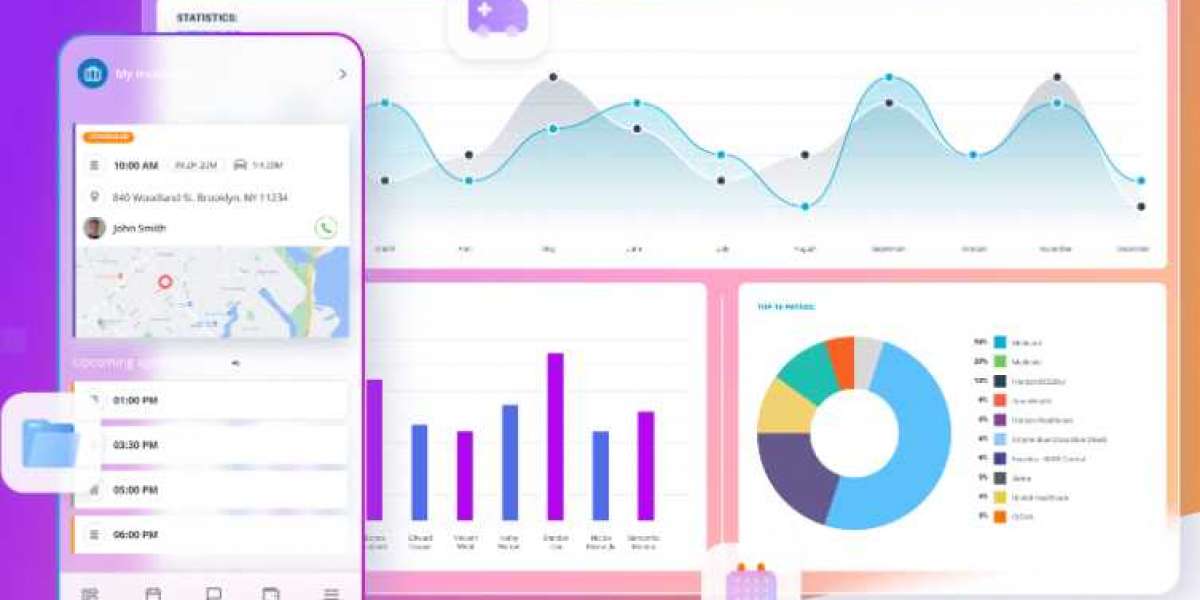
Data-driven decision-making is critical in healthcare revenue management. Advanced RCM software provides dashboards and reports that track key performance indicators such as days in accounts receivable, claim denial rates, and collection rates. Analytics tools help administrators optimize revenue processes, forecast cash flow, and identify areas for operational improvement.
Benefits of Implementing RCM Software
Implementing RCM software offers several advantages for healthcare organizations:
1. Increased Revenue Collection
By automating key tasks and reducing errors in billing, healthcare providers can significantly improve their revenue collection rates. Faster claim submission, timely follow-ups, and better denial management directly impact the bottom line.
2. Enhanced Operational Efficiency
Manual revenue cycle management is time-consuming and prone to errors. RCM software automates repetitive tasks, reduces paperwork, and streamlines workflows, allowing staff to focus on patient care and other strategic tasks.
3. Improved Compliance
Healthcare regulations are constantly evolving. RCM software helps organizations stay compliant with coding standards, HIPAA regulations, and payer-specific requirements, reducing the risk of audits and penalties.
4. Better Patient Experience
Errors in billing and insurance processing can frustrate patients and erode trust. By ensuring accurate billing and transparent communication, RCM software enhances patient satisfaction and builds loyalty.
5. Data-Driven Insights
RCM software provides actionable insights through detailed reporting and analytics. Organizations can identify inefficiencies, track performance, and make informed decisions to optimize revenue cycles continuously.
Challenges in Adopting RCM Software
While RCM software offers significant benefits, healthcare organizations may face certain challenges during implementation:
1. Integration with Existing Systems
Many healthcare facilities already use Electronic Health Records (EHR), practice management systems, and other software platforms. Ensuring seamless integration with these systems is critical for data accuracy and operational efficiency.
2. Staff Training and Adoption
Transitioning to RCM software requires training staff to use new workflows effectively. Resistance to change or inadequate training can reduce the software’s impact.
3. Data Security Concerns
RCM software handles sensitive patient information, including medical and financial data. Ensuring robust security measures, such as encryption and secure access controls, is essential to protect patient privacy.
4. Cost Considerations
While RCM software provides a high return on investment, initial implementation and ongoing subscription costs can be significant. Organizations must weigh the long-term benefits against upfront expenses.
Choosing the Right RCM Software
Selecting the right RCM software requires careful evaluation of features, scalability, support, and cost. Here are key factors to consider:
Comprehensive Functionality: Ensure the software covers the entire revenue cycle, from patient registration to reporting.
User-Friendly Interface: Staff should be able to navigate the system easily without extensive training.
Integration Capabilities: The software must integrate smoothly with EHR, practice management systems, and other healthcare applications.
Compliance Support: Look for features that help maintain coding accuracy, regulatory compliance, and audit readiness.
Analytics and Reporting: Advanced reporting and dashboards are crucial for informed decision-making.
Vendor Support: Choose a vendor with reliable customer support, regular updates, and training resources.
Real-World Impact of RCM Software
Many healthcare providers have reported significant improvements in revenue and efficiency after implementing RCM software. For example, hospitals using automated revenue cycle management solutions have experienced a reduction in claim denials by up to 40%, faster reimbursement cycles, and improved patient satisfaction scores. Smaller clinics also benefit by freeing up staff from time-consuming administrative tasks, allowing them to focus more on patient care and business growth.
Additionally, RCM software facilitates predictive analytics. By analyzing historical revenue patterns, healthcare providers can forecast future cash flow, optimize staffing, and make strategic financial decisions. The use of artificial intelligence (AI) in some RCM solutions also aids in automating complex processes such as claim adjudication, coding suggestions, and risk assessment.
Future Trends in RCM Software
The landscape of RCM software continues to evolve with technological advancements. Some key trends include:
Artificial Intelligence and Machine Learning: AI-driven tools can detect patterns in claim denials, suggest coding optimizations, and predict revenue gaps.
Cloud-Based Solutions: Cloud deployment offers scalability, remote access, and reduced IT infrastructure costs.
Patient-Centric Billing: Enhanced portals and mobile apps allow patients to view bills, make payments, and manage insurance information easily.
Interoperability Standards: Improved interoperability ensures seamless data exchange between various healthcare systems, reducing manual input and errors.
Advanced Analytics: Predictive and prescriptive analytics enable healthcare providers to optimize revenue strategies proactively.
Conclusion
In today’s healthcare industry, efficiency, accuracy, and compliance are critical for financial success. RCM software serves as a powerful tool to streamline revenue cycles, reduce administrative burdens, improve patient satisfaction, and maximize revenue collection. By automating critical processes, providing actionable insights, and ensuring compliance with evolving regulations, healthcare organizations can achieve sustainable growth and operational excellence.
Whether you are a hospital, a clinic, or a specialized healthcare provider, investing in RCM software is no longer an optional choice—it is a strategic necessity. As technology continues to advance, the adoption of comprehensive and intelligent RCM solutions will play a pivotal role in shaping the future of healthcare financial management.